





How Do You Prepare Your Air Conditioner for Brisbane’s Hot Weather?
Posted on July 27th, 2026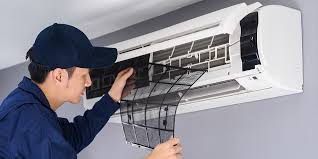
Brisbane’s summer arrives quickly, and the difference between a home that’s genuinely prepared for the heat and one that isn’t becomes obvious the first time temperatures push past 35 degrees. The worst time to discover your air conditioner has a problem is on the hottest day of the year, when every technician in the city is booked solid and you’re facing a two-week wait for a service appointment. At Alfa Air & Electrical, we recommend a simple pre-summer preparation routine every year. Here’s exactly what it involves and why each step matters.
Book a Professional Service in September or October
The single most important thing you can do to prepare your air conditioner for Brisbane’s summer is to book a professional service before the hot weather arrives. September and October are the ideal window. At this time of year, technicians are available, appointments are easy to get, and any faults found can be addressed before your system needs to perform under peak summer demand.
A professional service at this time of year includes cleaning the evaporator and condenser coils, checking refrigerant levels, inspecting electrical components, flushing the condensate drain, and verifying that the system starts correctly and operates across all modes. Faults identified during this service — a capacitor showing signs of wear, a refrigerant level that’s slightly low, a drain line beginning to block — can be addressed at standard service rates rather than emergency callout rates during a December heatwave.
Clean Your Filters Before the Season Starts
If you haven’t cleaned your air conditioner filters since the end of last summer, do it now. Filters accumulate dust, pollen, pet hair, and fine particles throughout the year, even if the system hasn’t been running heavily. Starting summer with clean filters means maximum airflow from day one and avoids the cascade of problems that dirty filters cause: restricted airflow, frozen coils, increased energy consumption, and reduced cooling output.
For most split system units, the filters are accessible by lifting the front panel of the indoor head unit. Slide them out, tap off loose dust outside, rinse under cool running water, allow them to dry completely in the shade, and reinsert them. This takes about ten minutes and makes a measurable difference to how efficiently the system runs from the first hot day.
Inspect and Clear the Outdoor Unit
The outdoor condenser unit needs clear airflow to expel heat from the refrigerant cycle. Over winter and spring, vegetation grows around outdoor units, garden debris accumulates on and around them, and spider webs, insects, and other material can block the grille. Before summer, clear any plants, shrubs, or grass that have grown to within half a metre of the unit. Remove leaves, twigs, and debris from the top and sides of the grille. Check that nothing has been stored near the unit that might restrict airflow when the system is running hard in the heat.
If your condenser sits in direct afternoon western sun without any shade, consider whether a shade structure can be installed at a distance that doesn’t restrict airflow. A condenser operating in full sun on a 35-degree afternoon has to work significantly harder than one that receives some afternoon shade. This alone can meaningfully affect efficiency and running costs over a Brisbane summer.
Test the System Before You Need It
Don’t wait until the first heatwave to discover whether your system works properly. Turn it on for a full test run on a mild day in October, before you actually need it to perform. Run it in cooling mode for thirty to sixty minutes and check that it reaches and holds the set temperature, that air from all vents feels genuinely cold, that no unusual noises develop during the run, and that no water leaks from the indoor unit.
If any of these checks fail, you have time to book a technician well before the peak season rush. If everything checks out, you go into the hot season with confidence that the system is performing as it should.
Check Your Controller and Timer Settings
Update any timer or scheduling settings on your controller to suit summer usage patterns. If you set up a winter schedule with the system running in heating mode on a timer, make sure that schedule is cleared or updated to cooling mode before summer. A system that turns on automatically in heating mode on a hot day because last winter’s schedule wasn’t cleared is an annoyingly common problem that a quick review of the controller settings eliminates entirely.
For ducted systems, also review your zone settings. Make sure the zones are configured correctly for your summer usage patterns. Check that zone dampers are responding to the controller as expected by opening and closing each zone while standing near the relevant vents to confirm airflow changes as intended.
Improve Your Home’s Passive Cooling
Air conditioning works more efficiently when the home itself is retaining conditioned air effectively and not gaining excessive heat from the sun. Before summer, check that all door and window seals are intact, particularly on rooms you frequently cool. Gaps under doors and leaky window seals allow conditioned air to escape and hot outside air to enter, forcing the system to work harder.
If you have north or west-facing windows that receive direct afternoon sun in summer, installing external shade devices (pergola shade cloth, external blinds, or dense shade plantings) or using heavy internal blockout curtains significantly reduces the heat load the air conditioning has to overcome. This is passive cooling that costs nothing to run once installed.
Know Who to Call if Something Goes Wrong
Part of being prepared is knowing your options if something fails mid-summer. Save the contact details of a reliable Brisbane air conditioning technician before you need one urgently. Contact Alfa Air & Electrical for residential air conditioning service, repairs, and installation across Brisbane. Our licensed technicians handle everything from pre-summer servicing through to emergency fault diagnosis, so you’re covered regardless of when a problem arises.