





How Long Does a Ducted Air Conditioning Installation Take?
Posted on July 31st, 2026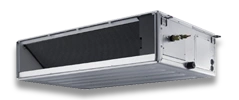
One of the most common questions people ask before committing to a ducted air conditioning system is how long the installation will take. It’s a fair question, because a ducted installation is a bigger project than fitting a single split system, and understanding the timeline helps you plan around it. At Alfa Air & Electrical, we carry out ducted air conditioning installations across Brisbane regularly, and here’s what you can realistically expect.
The Short Answer: One to Three Days
For most residential properties in Brisbane, a ducted air conditioning installation takes between one and three days. The exact duration depends on the size of the home, the number of zones, the complexity of the duct run, and the accessibility of the roof cavity. A smaller home with a straightforward roof cavity, two or three zones, and easy access can often be completed in a single full day. A larger home with multiple zones, a complicated roof layout, or difficult access points may run into a second or third day.
What Happens on Day One
The first day of a ducted installation is the most intensive. The installation team will typically begin by positioning and installing the central unit, which in most Brisbane homes sits in the roof cavity. This involves hauling the unit up and securing it to the structural framework of the roof. Once the central unit is in place, the team begins running the ductwork, distributing flexible duct through the ceiling space to each designated vent location. This is physically demanding work in what is often a hot, cramped environment, particularly in Brisbane summers.
During day one, the outdoor condenser unit is also installed and the electrical connections begin. The condenser is positioned outside the home, either at ground level on a concrete pad or on a wall-mounted bracket, and connected to the central unit.
What Happens on Day Two (and Sometimes Day Three)
If the installation runs into a second day, the focus shifts to completing the ductwork, cutting and fitting the ceiling diffusers (the vents you see in each room), installing zone control dampers and wiring if the system is zoned, and completing the electrical connections and refrigerant line work. The system is then commissioned and tested, with each zone and function verified before the crew leaves.
For very large homes or complex multi-zone systems, particularly where the duct run involves navigating multiple floor levels or working around structural obstacles in the ceiling, a third day may be required. This is less common but not unusual in older Brisbane homes with irregular roof cavity layouts.
Factors That Affect Installation Time
Several things can lengthen or shorten the timeline:
- Home size and number of zones. More zones mean more ductwork, more dampers, more wiring, and more ceiling vents to fit. A 5-zone system takes considerably longer than a 2-zone system.
- Roof cavity access. A good-sized, well-accessed roof cavity allows the team to work efficiently. Low-pitch roofs, tight cavity spaces, or access points in inconvenient locations add time to the job.
- Construction type. Homes with concrete ceilings (less common in Brisbane but present in some apartment buildings and commercial premises) require different methods for duct installation and take longer. Standard timber-frame homes with plasterboard ceilings are the easiest to work with.
- Existing electrical infrastructure. If the switchboard needs upgrading or a new circuit needs to be run to support the system, this adds to the overall time.
- New build vs retrofit. Installing during construction is significantly faster than retrofitting into an existing home because ducts can be run before walls and ceilings are closed in. A retrofit in a finished home requires careful routing through the roof cavity and cutting precise penetrations for each vent location.
How to Prepare for a Ducted Installation
You can make the installation go more smoothly by preparing your home in advance. Clear the area directly below each planned vent location so the team can work without moving furniture. Ensure the roof access point is unobstructed. If you have stored items in the roof cavity, remove or consolidate them to give the team working space. Confirm that a power source is available near the work area, and make sure someone is home for the full duration of the installation to address any questions that arise.
What to Expect on the Day
The installation team will arrive with all equipment and materials. There will be some noise from drilling, cutting, and movement through the roof space. Dust sheets should be used to protect ceiling areas during vent cutting. At the end of each day, the work site should be cleaned up and left in an orderly condition. Once the installation is complete, the team will walk you through the controller, explain the zone settings, and test every function in front of you before signing off.
After the Installation: What Comes Next
After installation, give the system a few days of regular operation before judging its performance. New systems sometimes take a short period to normalise. If any zone seems to underperform or if there are unusual noises, contact your installer promptly. A reputable company will return to address any commissioning issues at no charge within the warranty period.
Plan your first professional service for 12 months after installation, or sooner if the system runs heavily through a Brisbane summer. Regular servicing protects your warranty and ensures the system performs at the level you paid for. Contact Alfa Air & Electrical to get a detailed quote and timeline estimate for your home’s ducted air conditioning installation in Brisbane.